


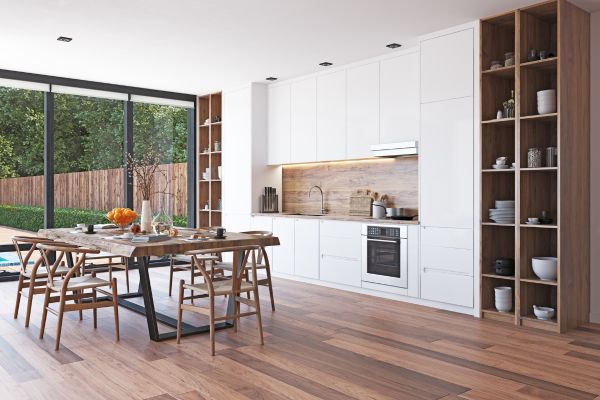
In the world of home improvement, "waterproof" has become the most sought-after label for flooring. Whether it’s a laundry room prone to leaks, a bathroom that sees daily splashes, or a mudroom catching the brunt of a mountain winter, moisture-resistant flooring is no longer a luxury—it’s a necessity. However, not all waterproof floors are created equal. Understanding the differences between Luxury Vinyl Plank (LVP), porcelain tile, and waterproof laminates can save you thousands in potential repair costs while ensuring your home looks impeccable. At Mountain Carpet Inc., we specialize in providing solutions that stand up to the messiest parts of life without sacrificing an ounce of style.
Why Waterproofing is the Ultimate Home Investment
Water damage is one of the leading causes of flooring failure. Traditional hardwood, while beautiful, can cup, warp, or even mold if exposed to standing water for too long. For active families with pets, children, or a lifestyle that involves a lot of outdoor activity, a waterproof floor provides a "safety net." It allows you to clean up spills at your own pace without the anxiety of permanent damage.
Beyond the practical benefits, waterproof flooring significantly boosts the resale value of a home. Potential buyers look for materials that are low-maintenance and durable. When you choose a high-quality waterproof solution, you are telling future owners that the home was built or renovated with longevity and practicality in mind.
Luxury Vinyl Plank (LVP): The Versatile Heavyweight
LVP has dominated the market for a reason. It is a multi-layered synthetic product that offers 100% waterproof protection from the top down and bottom up. The "rigid core" construction (often referred to as SPC or WPC) ensures that the planks won't expand or contract, even in high-moisture environments.
What makes LVP truly special is its adaptability. You can have the look of reclaimed barn wood in your bathroom or sleek white oak in your laundry room. Because it is a "floating floor" system, it can often be installed over existing subfloors, making it a cost-effective and fast renovation option. We take great pride in selecting only the highest-rated LVP products for our clients. You can see our commitment to excellence on our About Us page.
The Timeless Reliability of Porcelain and Ceramic Tile
If you are looking for the "gold standard" of waterproof flooring, tile remains unbeaten. Porcelain tile, in particular, is fired at extremely high temperatures, making it nearly impervious to water. It is the ideal choice for walk-in showers, pool houses, and heavy-duty mudrooms.
Modern tile technology has also allowed for "wood-look" tiles. These long, narrow planks feature the grain and color of wood but the durability of stone. While tile requires a bit more labor for installation—specifically regarding the subfloor preparation and grouting—the result is a floor that can literally last as long as the house itself. It is also one of the easiest surfaces to sanitize, making it a top choice for those concerned with indoor air quality and allergens.
Waterproof Laminate: The New Contender
For a long time, laminate was the enemy of water. If it got wet, it would swell like a sponge. However, the latest generation of waterproof laminate has changed the game. These products feature a highly compressed core and a sophisticated locking system that prevents water from seeping between the planks for up to 24 or even 72 hours.
Waterproof laminate offers a harder wear layer than LVP, making it slightly more resistant to scratches from large dog claws. It’s an excellent middle-ground for homeowners who want the realistic "click and clack" feel of a wood-based product but need the peace of mind that comes with water resistance.
Choosing the Right Floor for Every Room
When planning your project, consider the "moisture load" of each room.
Bathrooms/Laundry: Porcelain tile or high-end LVP are the safest bets.
Kitchens: LVP or waterproof laminate provide comfort for standing while protecting against dishwasher leaks.
Basements: LVP is often the preferred choice because it handles the natural dampness of concrete subfloors better than almost any other material.
By mixing and matching these materials, you can create a cohesive look throughout your home that is tailored to the specific needs of each space. Our team can help you map out a flooring plan that optimizes both your budget and your home's performance.
If you’re ready to "waterproof" your life, stop by one of our locations to browse our full collection of moisture-resistant flooring and get a professional estimate for your next project.


